
Learn practical strategies and lifestyle adjustments that help maintain joint comfort, flexibility, and natural mobility throughout your daily activities in Kenya
Discover MoreThe human body operates as an interconnected system where each daily choice influences long-term wellness. Throughout Kenya, from Nairobi's commercial centers to rural communities, people engage in various activities that affect their joints. Whether navigating matatu transport, working at market stalls, or maintaining agricultural land, these routine behaviors shape how our bodies feel and function over extended periods.
Building awareness about joint-friendly practices empowers individuals to make informed lifestyle decisions. The cumulative effect of seemingly minor adjustments—such as choosing appropriate footwear, adjusting work surfaces, or incorporating brief stretch breaks—can significantly influence one's physical comfort. Rather than seeking quick fixes, focusing on sustainable patterns creates an environment where the body can maintain its natural capabilities more effectively.
Educational understanding of body mechanics allows people to recognize which activities may contribute to discomfort and which support ongoing wellness. This knowledge becomes particularly valuable in professional settings, household management, and recreational pursuits. By viewing joint comfort as an outcome of consistent daily practices rather than random chance, individuals gain greater control over their physical experience.
Incremental lifestyle modifications maintained consistently over months and years yield more substantial benefits than sporadic intensive efforts. The body responds best to steady, manageable changes that become permanent habits.
Developing attentiveness to physical sensations and movement patterns helps identify potentially problematic habits before they become ingrained. This conscious approach enables proactive adjustments that support continued comfort.
Joint-supportive behaviors become most effective when seamlessly incorporated into existing routines. Strategies that align with cultural practices, work demands, and personal preferences demonstrate greater longevity and consistent application.

Physical activity represents one of the most accessible methods for maintaining joint function and flexibility. Regular engagement in walking, stretching, and gentle exercises helps preserve the body's natural range of motion. Kenya's diverse landscapes offer numerous opportunities for outdoor activity, from urban green spaces to scenic natural environments.
The fundamental principle involves discovering activities that bring personal satisfaction and can be sustained indefinitely. Whether exploring Karura Forest trails, enjoying morning walks along the Mombasa coastline, or simply incorporating stair use into daily routines, each movement contribution matters. Physical sensations serve as important guides—activities should generally feel invigorating rather than causing significant discomfort. Adapting intensity levels based on individual circumstances and energy levels promotes sustainable engagement patterns.
Body positioning during routine activities significantly influences joint comfort over extended timeframes. Proper alignment doesn't require rigid perfection but rather maintaining natural spinal curves that minimize unnecessary stress. Whether working at commercial offices in Westlands or preparing meals at home, body mechanics substantially affect long-term physical experience.

Adequate rest proves equally essential for joint wellness. During sleep cycles, the body undergoes repair and restoration processes. Selecting mattresses and pillows that accommodate natural spinal alignment while targeting 7-8 hours nightly supports these regenerative functions. Extended working hours shouldn't be mistaken for decreased rest needs—recovery periods constitute necessary maintenance for sustained bodily function and comfort. Creating sleep environments conducive to quality rest contributes meaningfully to overall joint health maintenance.

Dietary choices significantly influence how the body maintains tissue health and overall function, including joint structures. Consuming varied, nutrient-dense foods provides the raw materials necessary for ongoing cellular maintenance. Kenya's agricultural abundance supplies exceptional access to fresh, locally-sourced ingredients that support comprehensive wellness.
Body weight management also influences stress levels on weight-bearing joint structures like knees and hips. Rather than restrictive approaches, emphasis on nourishing the body with wholesome foods promotes sustainable wellness. Traditional Kenyan cuisine featuring fresh, locally-available ingredients frequently supports balanced nutrition principles. The focus remains on consistent, moderate consumption patterns rather than achieving perfection. Gradual, sustainable dietary modifications maintained over extended periods yield more meaningful outcomes than temporary dramatic changes.
Personal accounts from individuals who have incorporated joint-friendly lifestyle practices into their daily routines

Nakuru, Kenya
Working long shifts as a nurse required me to be on my feet constantly. Learning about proper body mechanics and incorporating brief stretching moments during breaks has helped me feel more comfortable throughout my workday. I've also started preparing more balanced meals with fresh vegetables from our local market. These adjustments have become natural parts of my routine now.
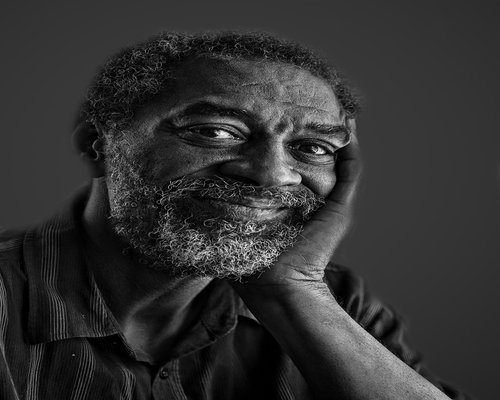
Eldoret, Kenya
Years of manual labor taught me to appreciate body awareness. After attending a community wellness workshop, I began paying closer attention to lifting techniques and taking purposeful rest periods. Walking home from work instead of using transport has also become something I genuinely enjoy. The accumulated effect of these small changes has been quite noticeable in how I feel daily.

Thika, Kenya
Managing a busy shop while caring for grandchildren kept me constantly active. Reading about ergonomic principles motivated me to adjust my workspace setup and be more mindful about how I move throughout the day. I've also begun participating in a weekly walking group with neighbors. Understanding that wellness comes from consistent daily choices rather than dramatic interventions has been valuable knowledge.
Have inquiries about joint-supportive lifestyle practices? We're available to provide educational resources and guidance
contact (at) cejifawo.com
+254 798 654 321
Moi Avenue, Corner Plaza Building
3rd Floor, Suite 307
P.O. Box 45678-00200
Nairobi, Kenya